Retail Media Networks (RMNs) are experiencing explosive growth, reshaping the digital advertising landscape. According to BCG, the retail media market is expected to reach $100 billion in the US alone by 2026, representing 25% of total digital ad spend. This momentum highlights the shift toward first-party data, closed-loop measurement, and a new era of retailer-brand collaboration.
Behind this surge is a clear value proposition: RMNs are proving to be an exceptional strategy for third-party brands because of their VIP access to retailers’ first-party customer data. This allows for more relevant and personalized advertising experiences (a win-win for retailers and brands alike).
Throughout the blog, we will dig deeper into the value, limitations of retail media networks , and how they can be optimized when paired with promotions
What is a Retail Media Network?
A retail media network is an advertising ecosystem that allows brands/vendors to purchase space on various online channels (e.g., website, mobile app) to reach their target audience.
RMNs can either be:
- Retailer-owned retail media networks
- Third-party managed retail media networks
To build a retailer-owned RMN, a company must invest heavily in budget, resources, and data . As a result , only big-box retailers are investing in this space like Target, Home Depot, Kroger, and Costco.
Smaller, mid-market retailers are relying on third-party services to manage all discussions and purchasing decisions with vendors.
The value of retail media networks
Retail media networks have many benefits for both brands and retailers. Here are a few key highlights from both perspectives:
Brand advantages of retail media networks
-
- Make better-informed decisions on campaigns: Retail media networks provide brands with access to first-party shopper data, giving marketers deeper insight into purchasing behavior and customer segments. This allows brands to design smarter, more targeted, and more effective campaigns.
- Maximize return on ad spend (ROAS): By advertising directly to high-intent shoppers, brands can significantly improve ROAS. RMNs make it possible to reach customers who have a strong likelihood of converting — improving both awareness and sales performance.
- Diversification of venues: Retail media networks allow brands to increase product visibility wherever customers shop. The list of venues has grown for brands to reach their desired audiences, allowing them to invest in endcaps, promos, RMNs, etc.
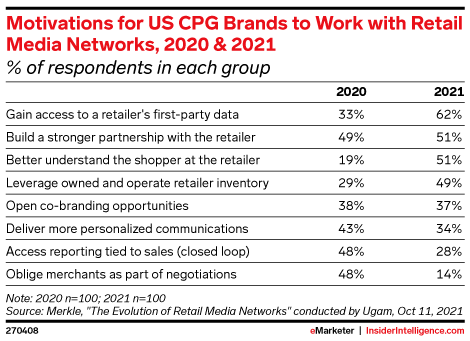
In a study conducted by Merkle as reported in eMarketer, retail media networks are rising in demand for multiple factors, with retailers’ first-party data access being first on the list.
Retailer advantages of retail media networks
- Compete on pricing: Retail margins are at a historical low as a result of increased shipping costs and inflation. Having a different revenue stream allows retailers to compete on pricing and encourage repeat purchases as they are being squeezed more and more by rivals’ low prices and free delivery.
- Improved personalization: With access to deeper insights, brands and retailers can further cater to consumer preferences and build a personalized approach that increases customer loyalty.
- Strengthen brand alliances: Retailers that own their own RMN have improved coordination with brands. They are able to align the advertising strategy to ensure they are connecting with the right audience at the right time.
The limitations of retail media networks
Though RMNs drive value in many ways for retailers and brands, that is not to say there are no limitations. Below we discuss the negatives with both third-party RMNs and retailer-owned RMNs:
Third-party retail media networks:
Limitations for retailers
When a retailer owns their own RMN, they not only have to invest a hefty amount of money, but they also need to increase their resources and time. The reason? The retailer itself is coordinating with all vendors on what ad space they will purchase, rather than third-party handling it.
Limitations for brands
Similar to retailers, brands have to pour more time and energy into working with a particular retailer on purchasing ad space, rather than a third party who is working with many retailers.
This can be especially time-consuming when a brand wants to be represented on many different retailers’ online channels.
According to Marketing Dive, “42% of advertisers report questioning their investments in retail media networks, viewing it as both a valuable advertising tool and a cost of doing business. A lack of both measurement standardization and transparency present additional challenges.”
Coordinating your retail media networks campaigns with promotions
As RMNs continue to evolve, there will be a push for more sophisticated ad strategies to ensure retailers and brands get more from their ad spend.
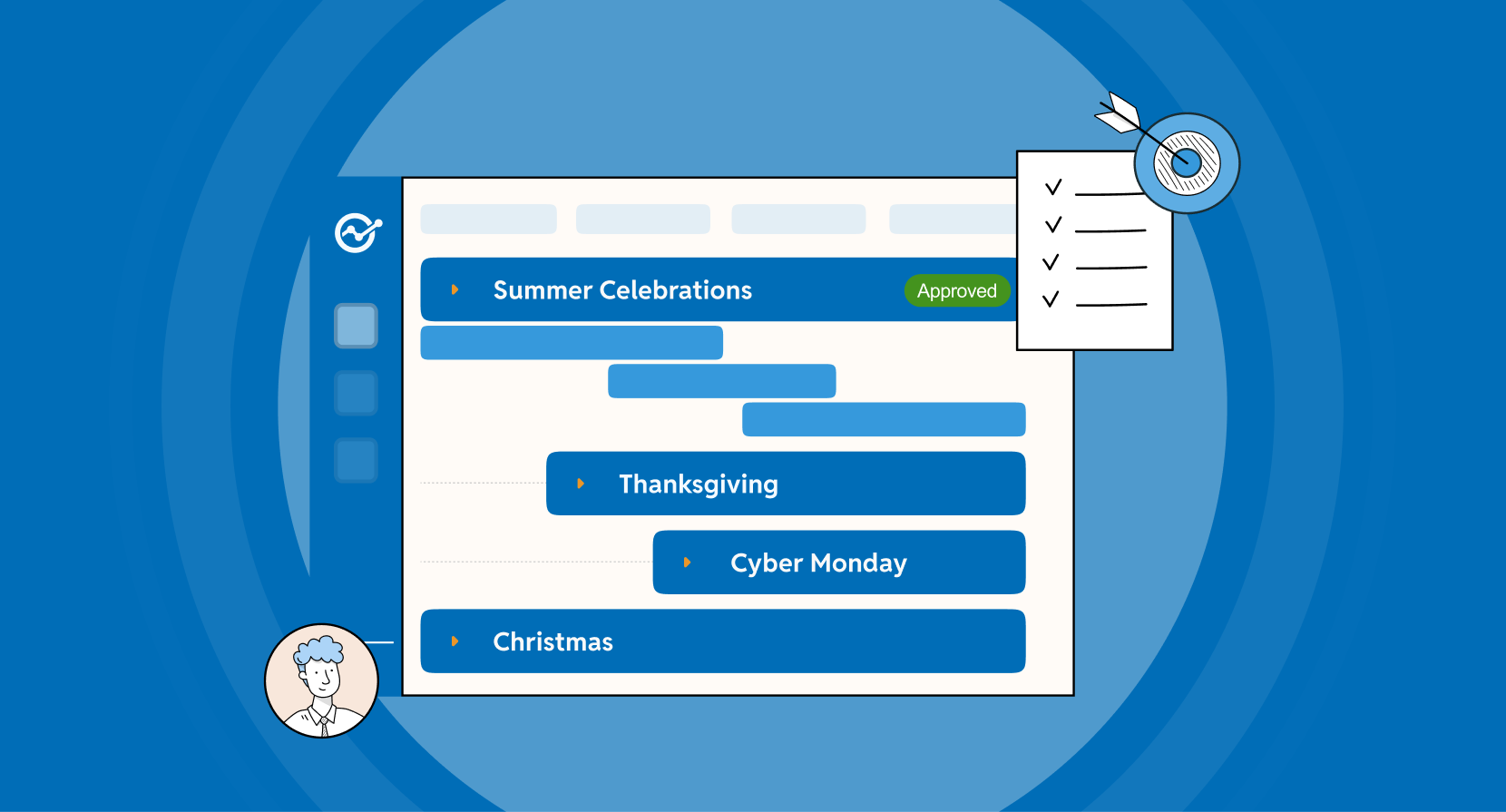
One way RMN campaigns can improve in performance is by coordinating RMN campaigns with promotions. Aligning on both strategies can improve chances of targeting the right customer, at the right time and place.
Additional benefits of coordinating RMN with Promo:
- Amplify a product: Spreading a message across all venues can improve chances of reaching your target audience.
- Distribute Ad spend: It doesn’t always make sense to push a product across all venues. By coordinating, retailers can choose to allocate spending amongst their different venues.
The digital world is evolving fast. Retailers and brands that are slow to adopt the latest solutions and trends will quickly fall behind. However, it is important to understand both the value and limitations of any trend or solution, and make a decision that is best for your business.