
What is event planning in retail?
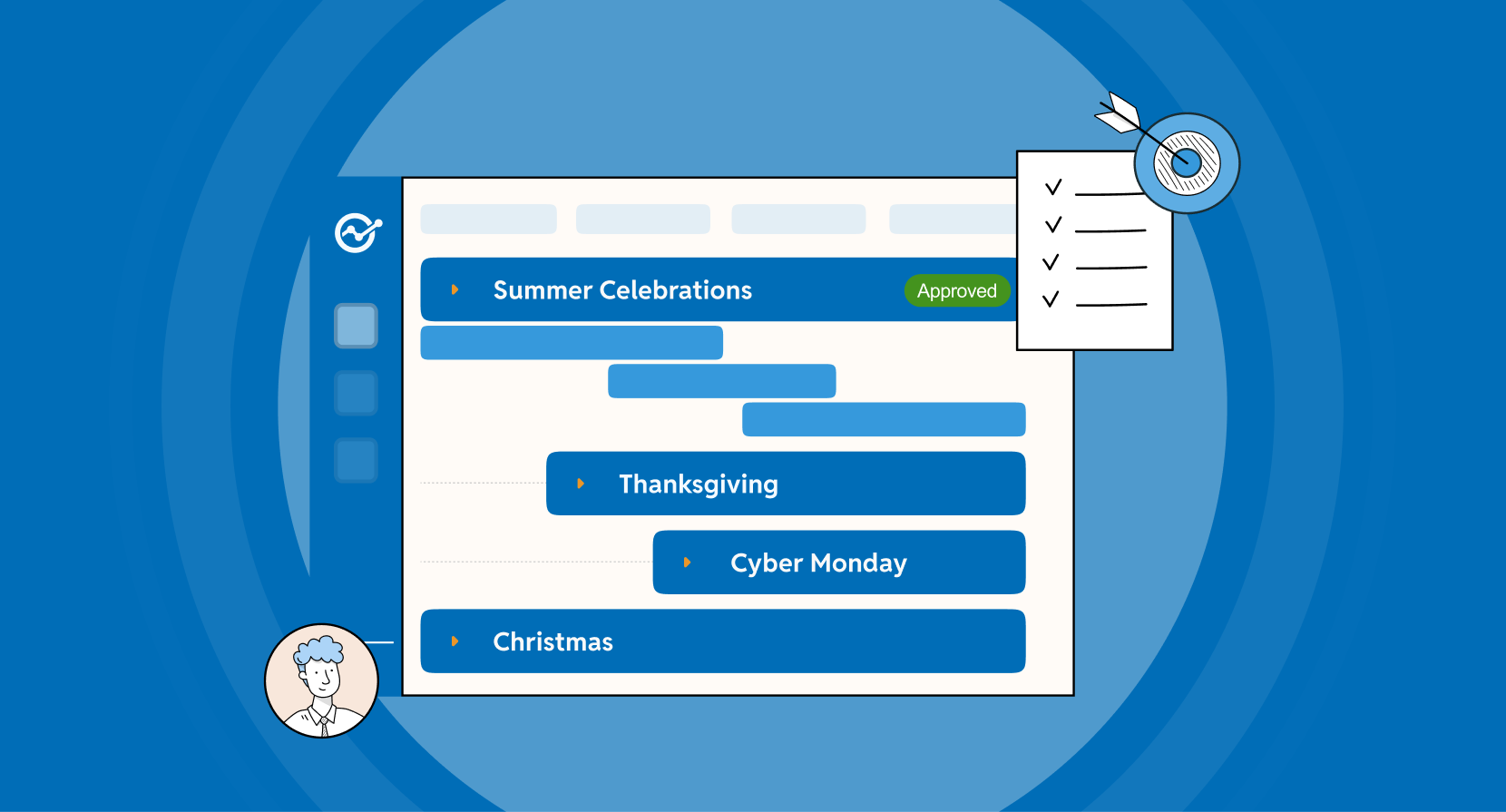
Event planning in retail is the process of identifying, scheduling, and preparing for the commercial events that drive demand across the calendar year. These events include seasonal peaks, promotional periods, holidays, product launches, competitor activity, and internal business moments such as store openings or range resets.
Effective event planning in retail does more than mark dates on a calendar. It connects each event to a set of commercial decisions:
- Which categories and products will be featured?
- What promotional mechanics will drive volume?
- How much inventory is needed, and when does it need to arrive?
- What in-store execution is required?
- How will performance be measured?
Event planning gives the business a forward-looking structure. It answers the question “what are we preparing for?” across the next quarter, half-year, or full calendar cycle.
Without it, teams react to events as they arrive rather than building toward them. Inventory arrives late. Promotions are approved at the last minute. Opportunities are missed because the preparation window was too short.
What is ads planning in retail?
Ads planning in retail is the process of deciding how, when, and where to invest in advertising to support commercial goals. It covers channel selection, budget allocation, campaign timing, audience targeting, creative scheduling, and performance measurement.
For retail and grocery teams, ads planning in retail spans a wide range of formats and channels:
- Digital ads: paid search, display, social, programmatic
- Retail media: on-site sponsored products, off-site display
- Traditional channels: print, radio, out-of-home
- In-store media: digital screens, shelf signage, end caps
Good ads planning does not begin with the question “where should we advertise?” It begins with “what are we trying to achieve, and when?” That starting point is almost always a commercial event: a seasonal peak, a promotional period, a product launch, or a competitive threat.
This is where the connection to event planning becomes critical. Without a clear event calendar, ad planning lacks the anchoring it needs. Campaigns get scheduled based on budget cycles rather than commercial opportunity. Spend lands in the wrong window. Creative does not reflect what is happening in-store.
Why events and ads planning must work together
When event planning and ads planning run separately, the gaps between them create waste.
The most common problems:
Timing misalignment: Ads go live after the promotional event has already started, or continue running after it has ended. The campaign drives traffic, but the in-store execution is not ready to convert it.
Creative disconnection: Ad creative is built before the promotional mechanic is confirmed. The messaging does not match what shoppers find on the shelf.
Wasted spend at the edges: Budget is spread evenly across a campaign window rather than concentrated at the moments of highest shopper intent. The days immediately before and during peak events drive the most return, but spend is often diluted across weeks.
Missed lead-time requirements: Different channels require different lead times. Print placements need to be booked weeks in advance. Digital campaigns can be launched in days. When the event calendar is not shared with the ads planning team early enough, the slower channels get cut, and the media mix suffers.
The fix is not a better briefing process. It is building both plans from the same commercial calendar, with the same lead times, at the same time.
Building a coordinated events and ads plan
Here is a practical framework for aligning event planning and ads planning in retail from the start.
1. Start with the calendar
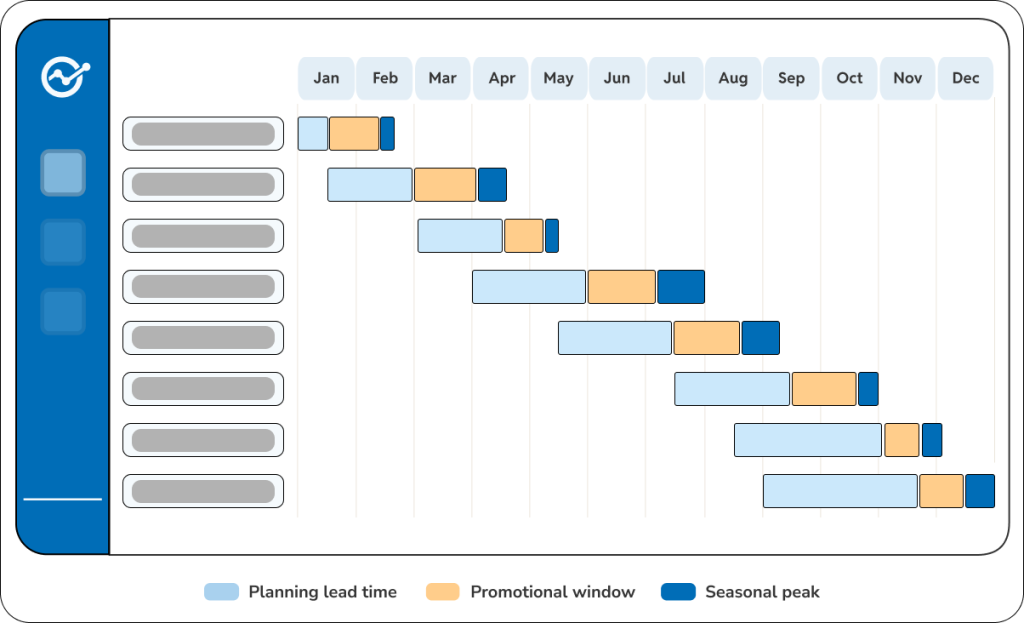
Map every event that matters for the planning period: seasonal peaks, promotional windows, holidays, product launches, range changes, and competitor-driven moments. Assign each event a commercial priority based on expected revenue impact.
This calendar becomes the shared foundation for both the events team and the ads team.
2. Work backward from the event date
For each high-priority event, work backward to define the full planning timeline:
Planning Stage | Timing Before Event |
Event confirmed and briefed | 10 to 12 weeks |
Ad creative briefed | 8 weeks |
Media placements booked | 6 weeks |
Creative approved | 4 weeks |
Campaign live (awareness phase) | 2 to 3 weeks |
Peak spend window | Event week |
Post-event performance review | 1 week after |
Timelines will vary by channel and event size. The principle holds: every stage is anchored to the event date, not to a budget cycle or an internal deadline.
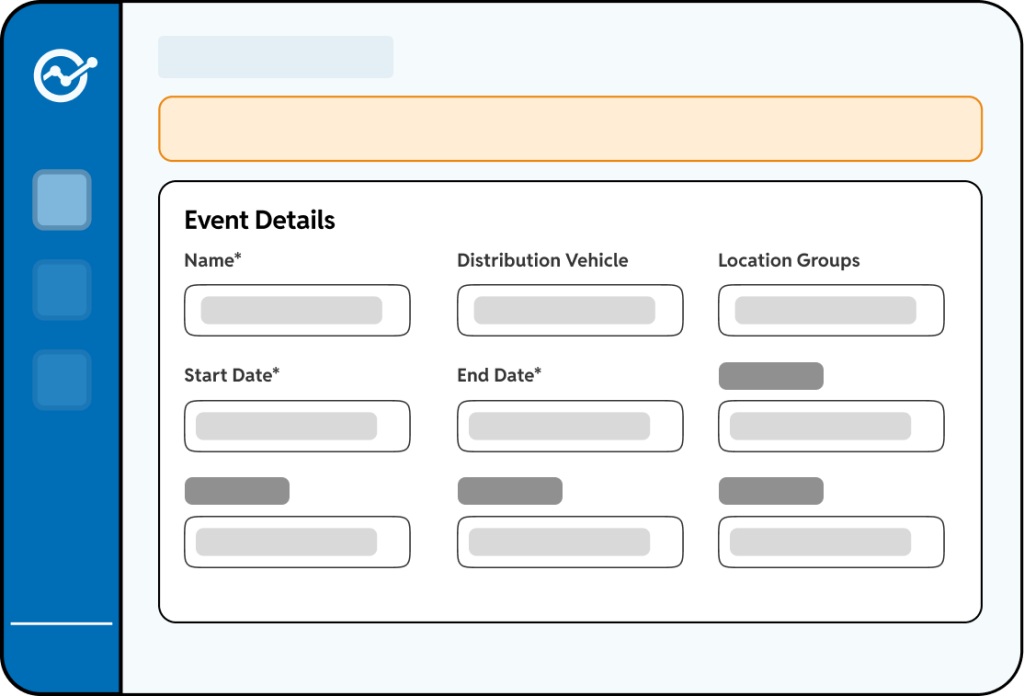
3. Match spend focus to shopper intent
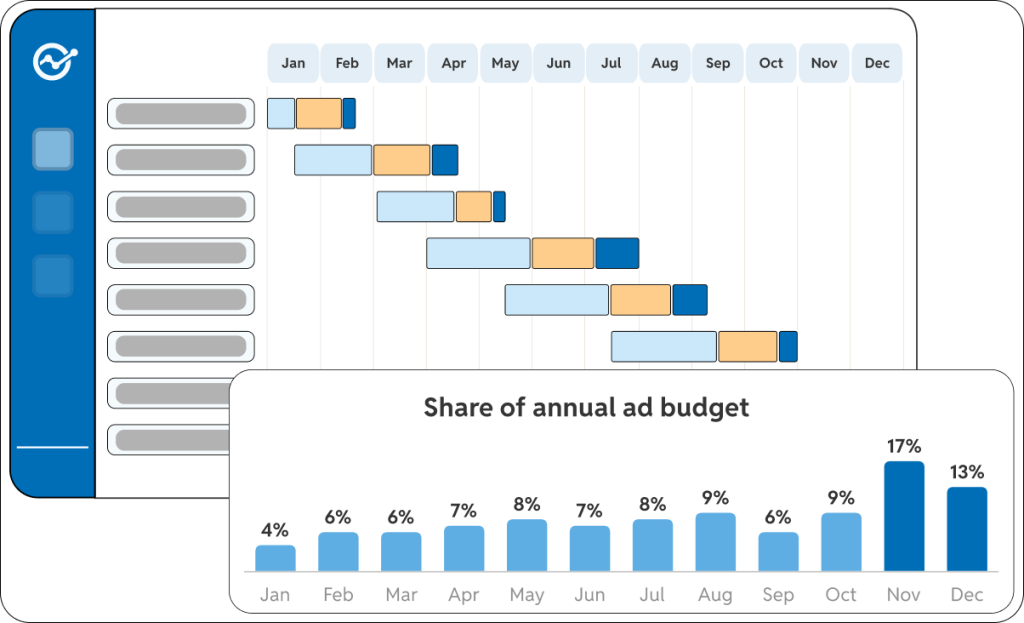
Shopper intent is not evenly distributed across a campaign window. It peaks in the days immediately before and during the event. Budget allocation should reflect that.
A common mistake is spreading spend evenly across four weeks when the majority of purchase decisions happen in the final five to seven days. Shift more budget into the peak window. Reduce spend in the low-intent tail.
4. Align creative to in-store execution
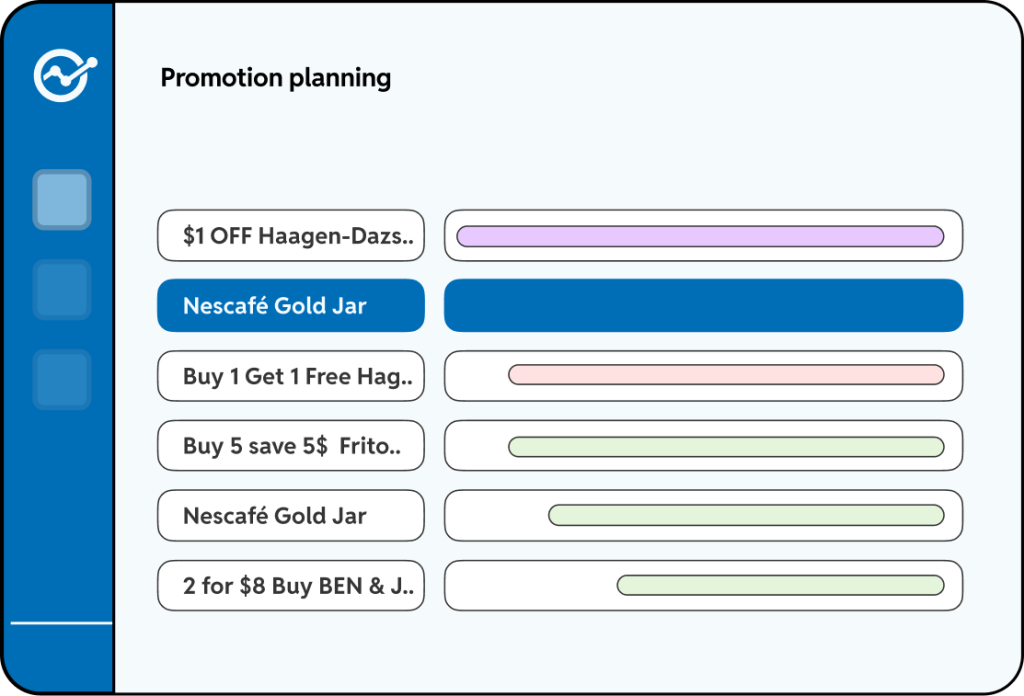
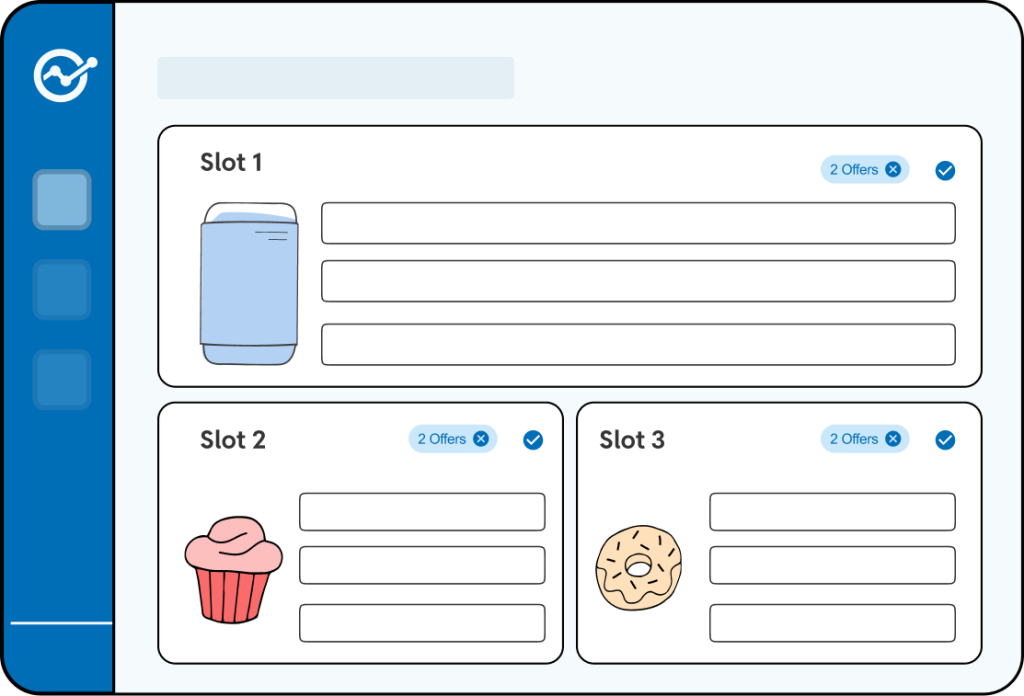
The message a shopper sees in a digital ad should match what they find in-store. If the ad promotes a specific offer or product placement, the shelf execution needs to be confirmed before the creative is approved. This requires the events team and the ads team to share a live view of the promotional plan, not just a summary of it.
5. Measure events and ads together
Performance measurement should reflect the combined plan. Evaluate:
- Did the campaign drive traffic during the event window?
- Did traffic convert at the expected rate?
- What was the return on ad spend relative to the event’s revenue outcome?
- What would you change for the next event?
Measuring ads in isolation from the event outcome produces incomplete answers. Measuring the event without understanding which ad channels drove traffic produces the same problem.
Common mistakes to avoid
- Briefing ads after the event plan is final: By the time the promotional plan is approved, the best media placements are already booked by competitors. Bring the ads team into the planning process at the same time as the events team.
- Treating every event equally: Not every date on the retail calendar deserves the same investment. Prioritize events by expected revenue impact and allocate budget accordingly. A mid-season promotional window should not receive the same spend as a peak seasonal event.
- Optimizing for impressions instead of timing: Reach matters less than reaching the right shopper at the right moment. A well-timed campaign with moderate reach outperforms a large campaign that arrives a week late.
- Skipping the post-event review: Each event is a data point for the next one. Teams that skip the review repeat the same timing errors, budget misallocations, and creative disconnects every cycle.
FAQs
What is event planning in retail?
Event planning in retail is the process of identifying and preparing for the commercial events that drive demand across the year: seasonal peaks, promotional periods, product launches, and holidays. It connects each event to inventory, pricing, promotional mechanics, and in-store execution decisions, giving the business a structured way to prepare for high-demand moments rather than react to them.
What is ads planning in retail?
Ads planning in retail is the process of deciding how and when to invest in advertising to support commercial goals. It covers budget allocation, channel selection, campaign timing, creative scheduling, and performance measurement. Effective ads planning in retail is anchored to the commercial event calendar rather than driven by budget cycles alone.
How do event planning and ads planning work together?
Event planning defines what the business is promoting and when. Ads planning determines how to reach shoppers in advance of and during those moments. When both plans are built from the same commercial calendar with shared lead times, campaigns arrive on time, creative matches the in-store execution, and spend is concentrated at the moments of highest shopper intent.
What is the biggest mistake in retail ads planning?
Briefing the ads team too late. Once the promotional plan is finalized, the best media placements for high-priority channels are often already booked. Coordinating event and ads planning from the start of the cycle, not the end, is the single change that has the most consistent impact on campaign timing and return on spend.