

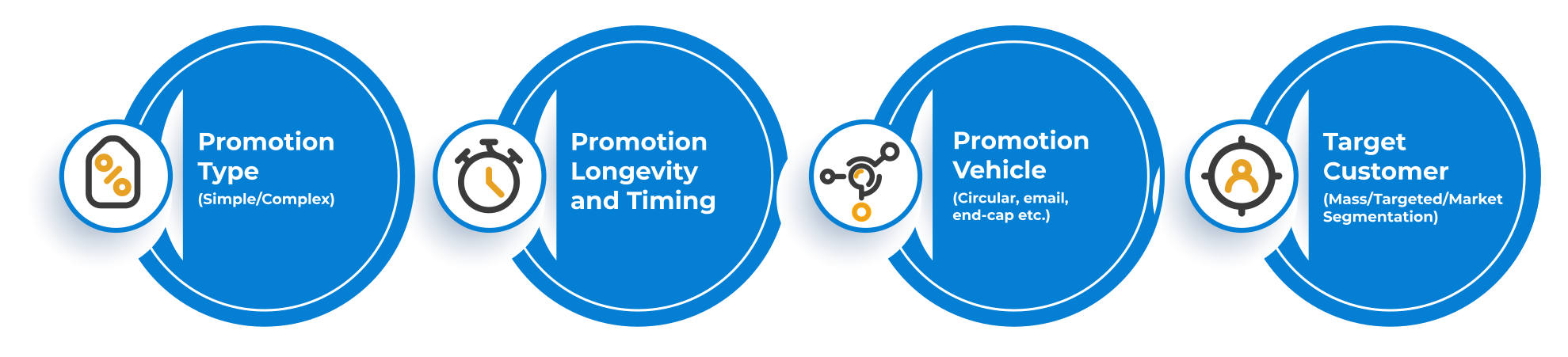
Traditional vs. modern promotional optimization
The traditional approach: Manual, intuition-driven
Basically, retailers rely on a mix of historical data, intuition, and manual processes to shape their promotion strategies. This approach typically includes:
- Analyzing point of sale (POS) data
- Repeating past promotions that performed well
- Relying on gut feeling based on domain expertise
- Familiarizing with current trends, preferences, etc.
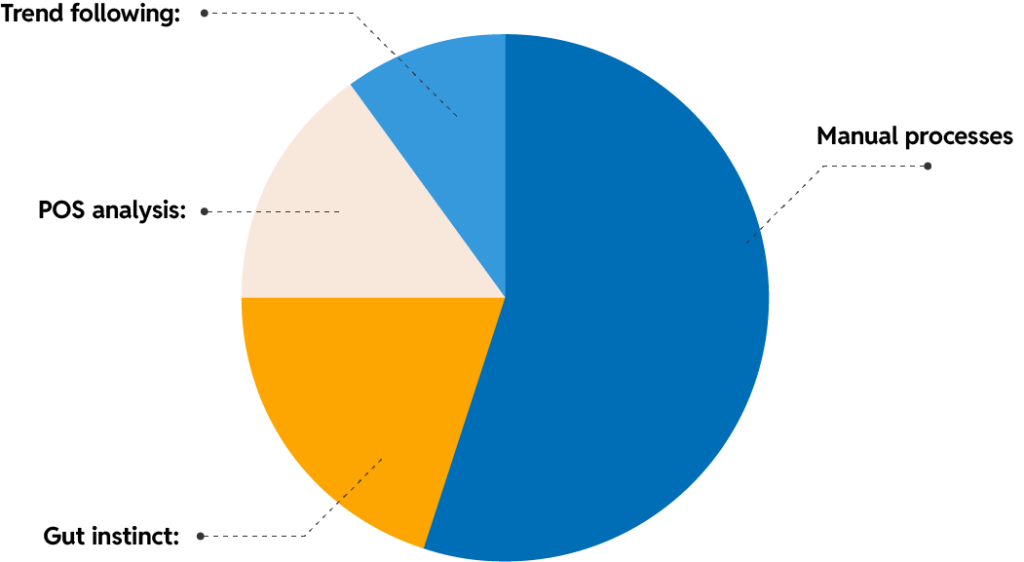
While these methods can work, they are not entirely foolproof and can be time-consuming. With the amount of available data, and the need for personalization, promotional optimization at scale can be near impossible without having access to the right tools.
The modern approach: Data-driven, AI-powered
Nowadays, advanced technology is key to effective promotional optimization. by processing all data, and running forecasts on different promotion attributes, retailers can achieve the most impactful campaigns. This level of complexity and accuracy allows them to focus on business objectives, rather than guesswork. Modern solutions include:
- Running what-if analysis
- Ability to optimize all types of promotions (simple and complex)
- Providing prescriptive recommendations aligned with business constraints and objectives
- Accounting for cannibalization and halo effects to better understand how other items or categories perform when a product is on promotion.
- Accounting for demand seasonality, post-promotion dip, and cross-items are taken into account
Results retailers can expect:
- Aligned promotions with business goals
- Campaigns that carry the highest ROI to the business
- Improved decision-making and execution across departments, and vendors
Overall, a solution with promotional optimization capabilities allows retailers to align their campaigns with their business strategy, maximize ROI, and deliver promotions that meet their customers’ needs. It is essential for retailers to invest in a solution that can process mass amounts of data and provide accurate and insightful recommendations.
Why Cognira’s PromoAI?
PromoAI puts promotional optimization front and center, empowering retailers to make strategic, data-driven decisions. By assessing trade-offs and comparing scenarios, PromoAI helps identify the most effective promotional strategies to meet campaign objectives and align with business goals.
What makes PromoAI stand out from the crowd:
- AI-driven promotional optimization engine for faster optimization.
- Real-time recommendations.
- Evaluate opportunity and risk of new strategies.
- Optimize all promotion types (circulars, emails, in-store ads, targeted promotions).
- Optimize vendor funds for the most effective deals.
