Introduction
Seasonal promotions can be a retailer’s secret weapon, driving traffic, increasing basket size, and clearing inventory. But there’s a hidden risk: margin erosion.
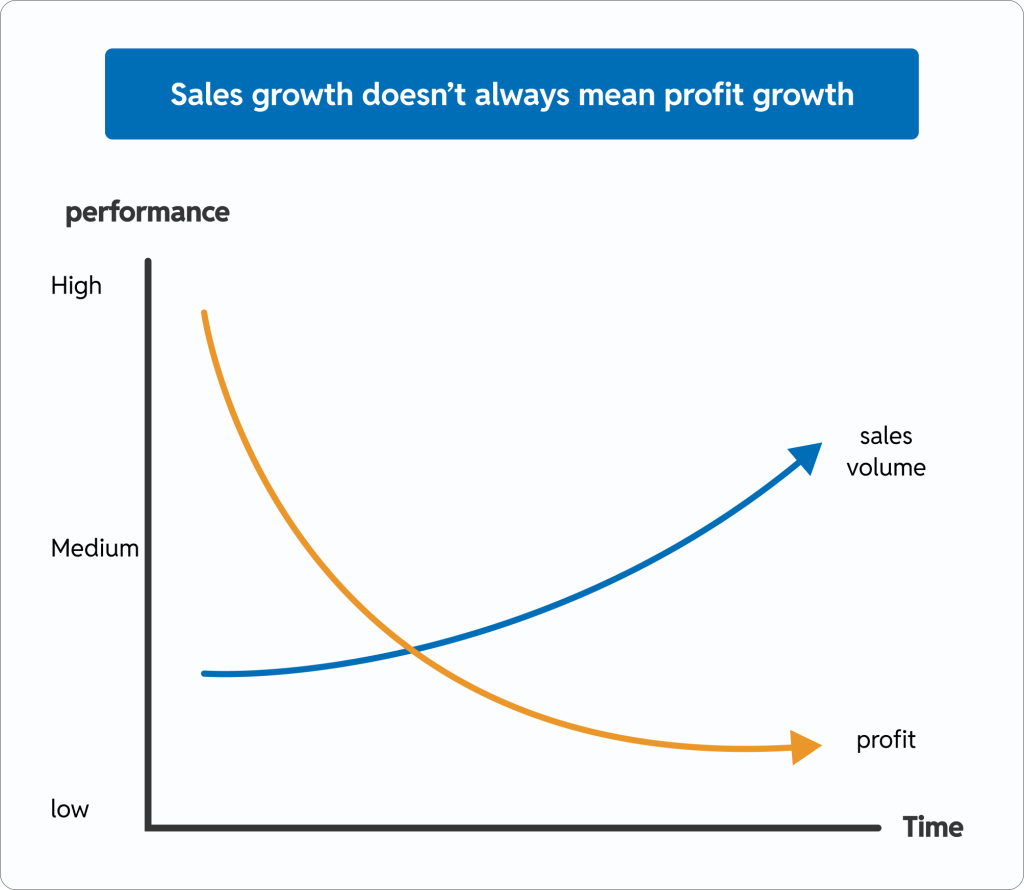
Too often, promotions focus solely on generating volume, without considering profitability. Deep discounts, poor product selection, or unplanned promotions can silently eat into margins, leaving retailers with sales growth but little to show in profit.
The good news? Margin erosion is predictable, measurable, and preventable. Let’s break down why it happens and how smart retailers protect their profits.
What is margin erosion?
Margin erosion occurs when the revenue generated by a promotion or sale fails to cover its associated costs, reducing overall profitability. In other words, even if sales volumes increase, profits may decline if discounts, poor product selection, or other factors eat into margins.
It’s a silent problem, often overlooked because sales appear strong, but it can quietly erode long-term profitability if not addressed.
Why and how seasonal promotions erode margins
Margin erosion often starts silently. Seasonal promotions can erode margins because discounts are often steep, demand is unpredictable, and extra costs (like staffing, marketing, and inventory) add up. Early signals can help you spot trouble before it grows, so be alert to both the causes and the warning signs.
- Excessive discounting: Deep discounts may drive sales, but they shrink profits. Watch for frequent over-discounting that doesn’t increase basket size proportionally.
- Low-margin products in focus: Promoting items with already thin margins amplifies losses. A declining average basket margin can signal this issue.
- Cannibalization of full-price sales: Shoppers may delay purchases until promotions, reducing normal revenue. This behavior often shows up as stalled full-price sales.
- Overstock pressure: Inventory mismanagement can force last-minute markdowns, eroding margins. High clearance activity post-promotion is a key indicator.
- Unplanned or reactive promotions: Ad-hoc deals, often driven by vendor pressure or seasonal hype, rarely align with margin goals. They can also affect brand perception if overused, leading to long-term loyalty risks.
By understanding both why margin erosion happens and what to watch for, retailers can take proactive steps to protect profits while still running successful seasonal promotions.
Strategies to protect margins during seasonal promotions
- Use data-driven pricing: Leverage historical sales data, customer behavior, and inventory levels to determine optimal discount levels that drive sales without eroding margins.
- Prioritize high-margin products: Focus promotional efforts on items with healthy margins or complementary products that increase overall basket value.
- Plan promotions around inventory and demand: Align promotional periods with stock levels and anticipated demand. Avoid over-promoting items that risk overstock or low turnover.
- Bundle products strategically: Offer product bundles or tiered discounts that encourage larger purchases, helping maintain profitability even when discounts are applied.
- Monitor and adjust in real time: Track promotion performance continuously. If certain offers are underperforming or causing unexpected margin pressure, adjust pricing, messaging, or product selection quickly.
- Educate the team: Ensure your sales, marketing, and merchandising teams understand margin goals and the importance of promoting profitably, not just driving volume.